Vision Health Through Daily Nutrition
Discover how essential nutrients support your eye health and protect your vision for life
The information on this site is for educational purposes only and does not constitute medical advice. Always consult a qualified healthcare professional before making health decisions.
Why Eye Nutrition Matters
of vision problems can be influenced by nutritional choices
key nutrients essential for retinal health and function
improvement in visual clarity with consistent nutrition support
antioxidant protection from daily nutrient intake
Essential Nutrients for Eye Health
Your eyes require specific vitamins, minerals, and plant compounds to maintain optimal function and protect against age-related changes.
Lutein & Zeaxanthin
Natural pigments found in dark leafy greens that filter harmful blue light and protect the macula, the central area of your retina responsible for sharp vision.
Anthocyanins
Powerful antioxidants in berries and purple vegetables that strengthen blood vessels in the eye and improve night vision and contrast sensitivity.
Vitamin A & Beta-Carotene
Essential for rhodopsin production, the pigment that enables your eyes to adapt to low light conditions and supports overall retinal function.
Omega-3 Fatty Acids
Support the structural integrity of retinal cell membranes and reduce inflammation, promoting long-term eye comfort and visual stability.
Key Nutritional Benefits for Vision
Enhanced Visual Clarity
Antioxidant nutrients reduce oxidative stress on retinal cells, improving contrast sensitivity and overall sharpness of vision. A diet rich in vision-supporting foods helps maintain crisp, clear eyesight throughout daily activities.
Age-Related Protection
Specific nutrients like lutein, zeaxanthin, and vitamins C and E work together to slow age-related macular degeneration. Consistent intake of these compounds supports lifelong eye health and reduces age-related vision decline.
Improved Night Vision
Vitamin A and anthocyanins enhance the eye's ability to adapt to low-light environments and increase rhodopsin production. Better night vision means safer driving and enhanced comfort in dimly lit spaces.
Reduced Eye Strain
Omega-3 fatty acids and antioxidants support the health of blood vessels and nerves in the eye, reducing inflammation and eye fatigue. This is particularly beneficial for people who spend extended time on digital screens.
Cardiovascular Eye Support
Nutrients that support heart health directly benefit eye health, since the eyes rely on robust blood circulation. Proper nutrition ensures optimal oxygen and nutrient delivery to all eye structures.
Antioxidant Defense
Daily nutritional support creates a powerful antioxidant barrier against free radical damage. This ongoing protection preserves retinal cells and maintains the structural integrity of eye tissues over time.
Vision-Boosting Foods
Incorporate these nutrient-dense foods into your daily diet to support optimal eye health and visual function.
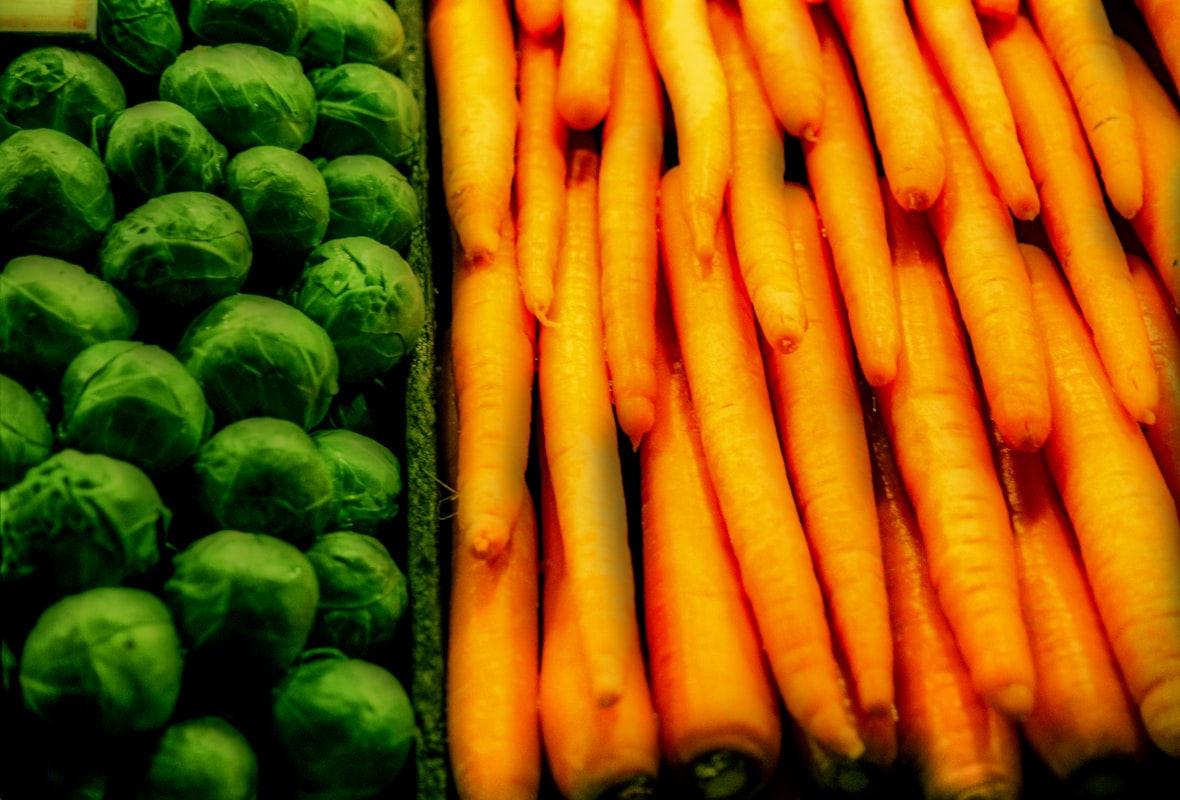
Leafy Greens
Spinach, kale, and collards are among the richest sources of lutein and zeaxanthin, the two most important nutrients for macular health and light protection.
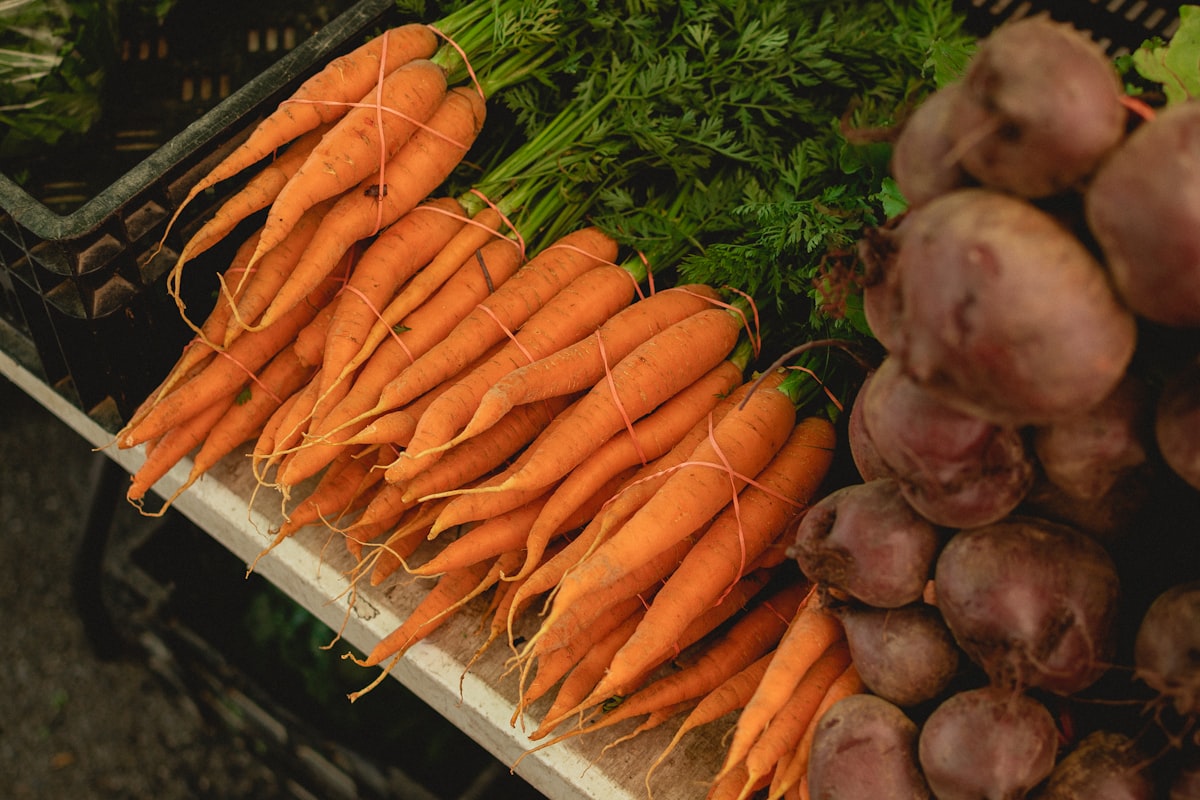
Berries
Blueberries, blackberries, and cranberries contain anthocyanins that strengthen capillaries and improve blood flow to the retina, supporting night vision.

Orange Vegetables
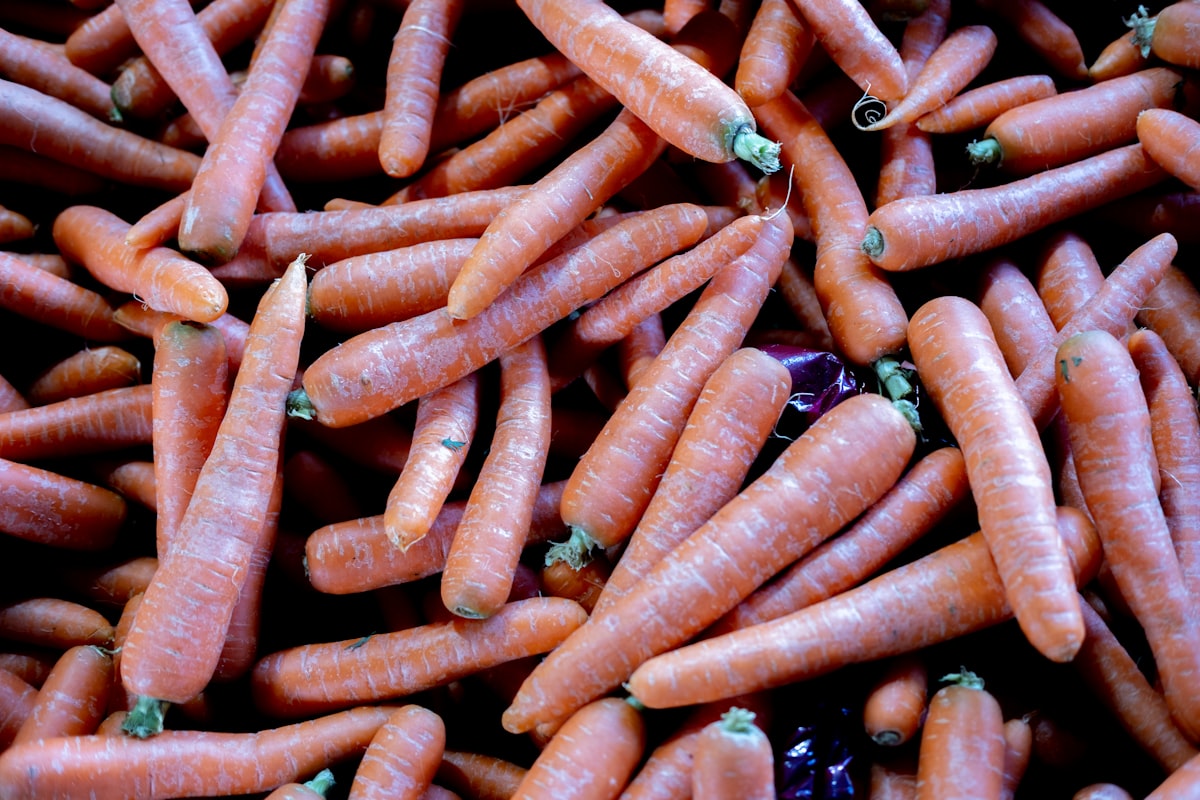
Carrots, sweet potatoes, and pumpkin are excellent sources of beta-carotene, which the body converts to vitamin A for retinal adaptation and low-light vision.
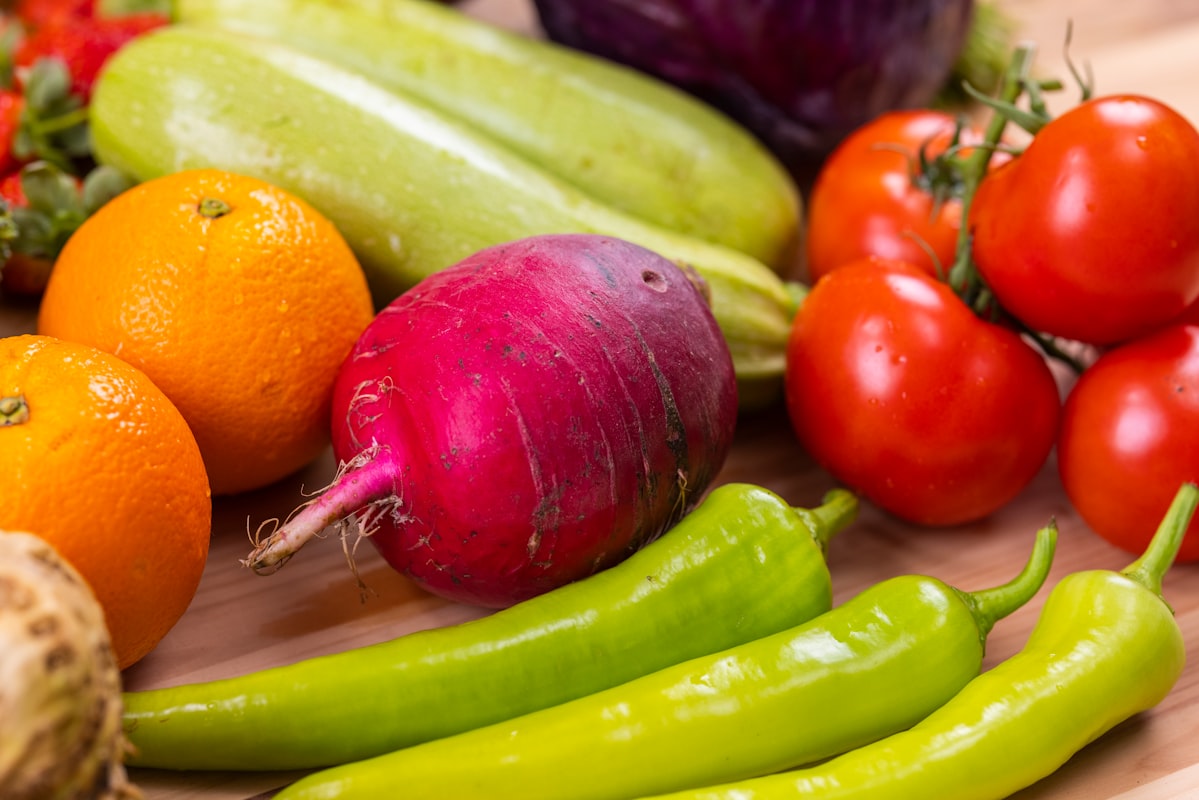
Fatty Fish
Salmon, sardines, and mackerel provide omega-3 fatty acids that maintain retinal cell membrane health and reduce inflammation throughout the visual system.
Nuts & Seeds
Almonds, walnuts, and sunflower seeds deliver vitamin E and omega-3s that protect against oxidative stress and support overall eye tissue integrity.
Citrus & Bell Peppers
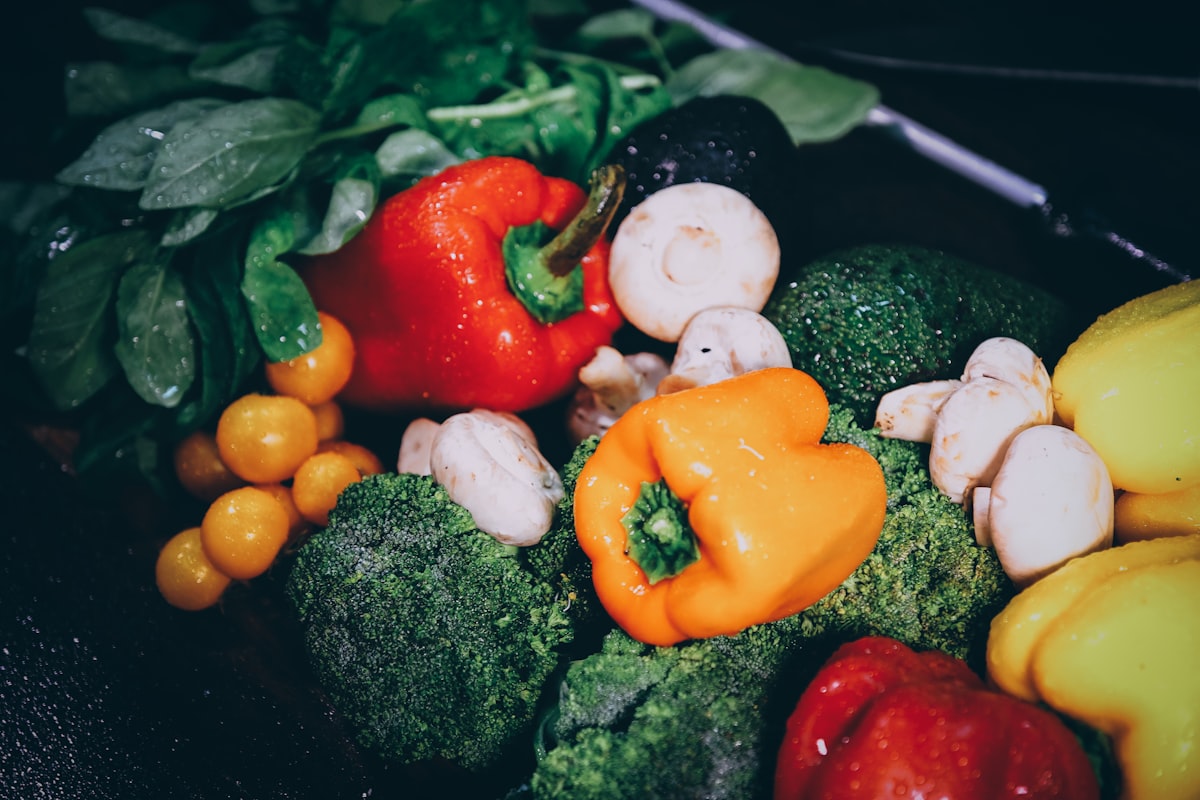
Oranges, lemons, and colorful peppers provide vitamin C, a powerful antioxidant that works synergistically with other nutrients to protect retinal health.
How Nutrition Supports Your Vision
Nutrient Intake & Absorption
When you consume nutrient-dense foods, your digestive system breaks them down and absorbs essential compounds. Healthy fats, proteins, and fiber enhance absorption of fat-soluble vitamins like A, D, E, and K, which are crucial for eye health. This foundational step ensures your body can utilize vision-supporting nutrients effectively.
Cellular Protection & Repair
Antioxidants like lutein, zeaxanthin, and vitamins C and E neutralize free radicals that damage retinal cells. These nutrients accumulate in eye tissues over time, creating protective layers that prevent age-related degeneration. Your retina continuously renews itself, and proper nutrition supports this regeneration process at the cellular level.
Enhanced Blood Circulation
Omega-3 fatty acids and certain phytonutrients improve blood vessel function and circulation throughout the eye. Better circulation means consistent oxygen and nutrient delivery to all eye structures, including the retina, lens, and optic nerve. This supports sustained visual performance and eye comfort throughout the day.
Long-Term Vision Protection
Consistent daily nutrition builds cumulative protection against age-related vision changes. Studies show that people with higher intakes of specific nutrients have significantly lower rates of age-related macular degeneration and cataracts. This ongoing protection extends not just eye comfort, but the years you maintain clear, functional vision.
Common Questions About Eye Nutrition
Vision improvements from nutritional support typically develop gradually over weeks and months. Some people report sharper contrast and reduced eye strain within 2-4 weeks of consistent dietary changes. However, the most significant protective benefits accumulate over months and years. Think of nutrition as preventive support rather than a quick fix—you're building long-term eye resilience and protecting against future decline.
Real Vision Health Stories
Readers and community members share how nutritional changes have supported their eye health and visual comfort.
"After reading about lutein and zeaxanthin, I started eating more spinach and kale. Within a few months, my eye strain from work significantly decreased, and my vision felt sharper. I especially noticed the difference when driving at night—I felt more confident. What impressed me most was that these are just foods I naturally enjoy, not some complicated plan."
Maria Wijaya
Jakarta, Indonesia
"I've been incorporating more blueberries and fatty fish into my diet, and I've noticed my night vision has really improved. The articles here helped me understand why these specific foods matter for eye health. It's not just about eating healthy—it's about eating smart for your eyes."
Budi Santoso
Surabaya, Indonesia
"I struggled with gestational diabetes during pregnancy. This program helped me understand which foods stabilize my blood sugar. My baby is healthy, and I feel confident about my nutrition choices."
Maria González
Madrid, Spain
"As a nutritionist, I recommend Ernaehrungschwangersqf to all my pregnant patients. The science is solid, the advice is practical, and the support is exceptional. This is the gold standard for prenatal nutrition."
Dr. Sophie Müller
Berlin, Germany
Ready to Optimize Your Prenatal Nutrition?
Join thousands of mothers who have transformed their pregnancy health with evidence-based nutrition guidance.